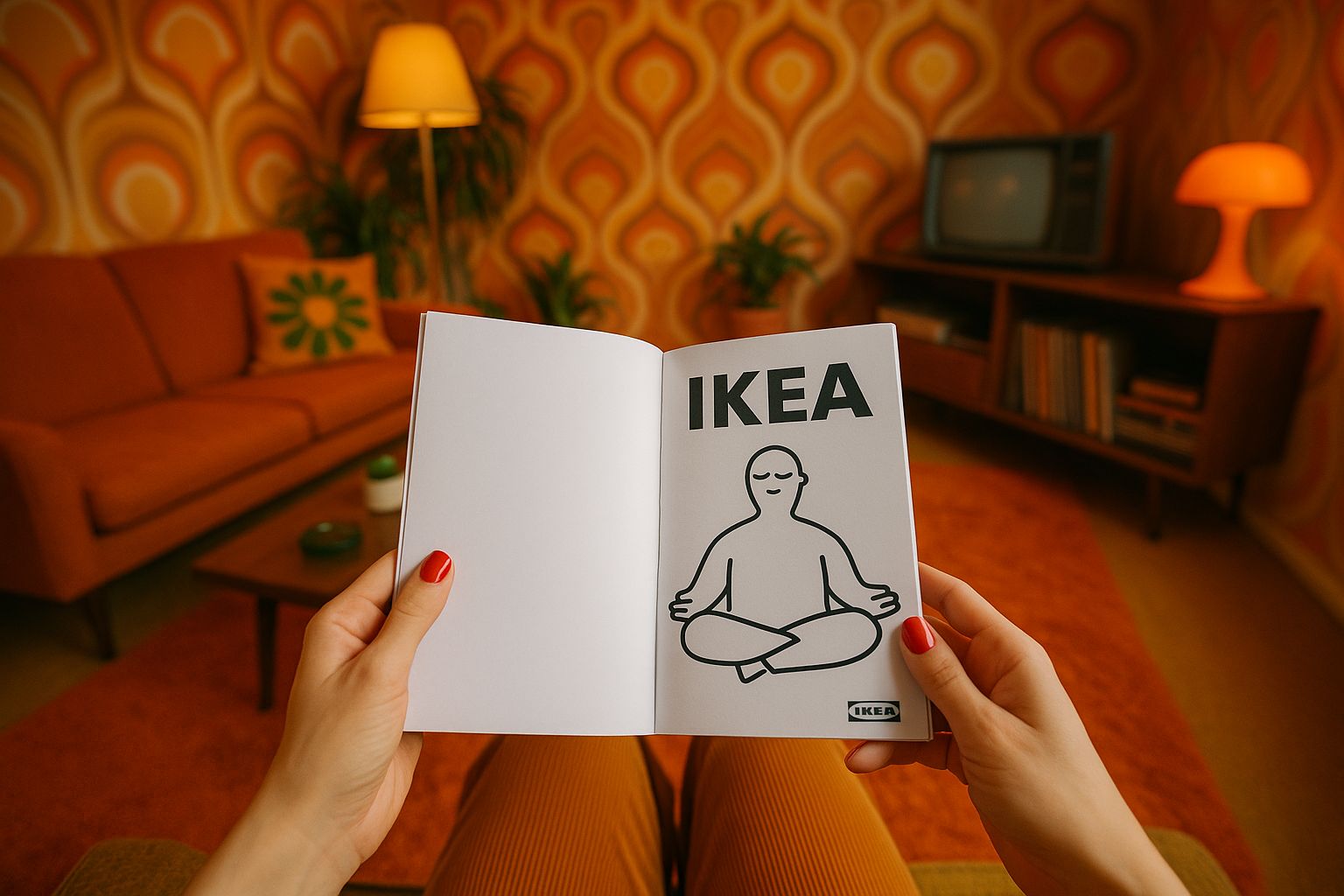
Because nobody buys a drill for just the drill
They buy the hole in the wall.
Or the floating shelf.
Or the sense of pride that comes from finally hanging that art.
This is the difference between features and value.
In marketing, we’re often tempted to describe what a product does. The specs. The integrations. The bullet points. But what really sells? The transformation. The why it matters.
In this post, we’ll unpack how to shift your messaging from feature-focused to value-driven—with frameworks, real examples, and practical tactics you can swipe today.
1. What Is “Value” in Messaging?
Let’s define our terms.
🧩 Features:
What your product is or does. It’s the tool.
💎 Value:
What your product means to your audience. It’s the result—often emotional, personal, or business-critical.
Example:
- Feature: “Daily performance dashboards”
- Value: “Clarity in 60 seconds. So your team starts the day focused, not guessing.”
Value is the outcome. The story. The feeling.
And that’s what buyers are really after.
2. Why Features Don’t Convert (On Their Own)
Features are necessary—but they’re not motivating.
The human brain doesn’t make decisions based on logic alone. We decide emotionally, then justify rationally.
So when your messaging focuses solely on what your product does, it forces the reader to do the cognitive lifting. To imagine the benefit. To connect the dots.
And if they’re busy, tired, or distracted?
They won’t.
3. Value-Based Messaging in the Wild
Let’s look at some brands doing this well.
🛠 Basecamp
“Basecamp replaces a dozen tools. It’s the calm, organized way to manage projects.”
They’re not listing features. They’re selling calm.
✉️ ConvertKit
“Earn a living doing work you love.”
They don’t start with “email marketing automation.” They lead with identity and aspiration.
📈 Notion
“Write, plan, and get organized — in one connected workspace.”
They don’t say “multi-format block-based editor.” They highlight productivity and simplicity.
4. The Golden Rule of Messaging: Translate, Don’t Transcribe
Your job isn’t to list specs.
It’s to translate features into meaningful benefits.
Use the “So what?” test. For every product feature, ask:
“So what does that do for the user?”
Example:
- Feature: Automated weekly reports
- So what? → You don’t have to chase data
- So what? → You free up time
- So what? → You make smarter decisions, faster
Final message:
“Automated reports that save you hours—and help you lead with insight, not guesswork.”
5. Framework: FAB (Feature → Advantage → Benefit)
Use the classic FAB formula to structure your copy:
- Feature: What it is
- Advantage: What it does better or faster
- Benefit: Why the customer cares
Example:
Feature: Real-time team editing
Advantage: Everyone’s on the same page—literally
Benefit: No more back-and-forth or version control chaos
Final copy:
“Real-time collaboration keeps your team aligned—without the version control headaches.”
6. Speak to Outcomes, Not Inputs
Nobody wakes up thinking:
“I need a new CRM with Zapier integration and customizable pipelines.”
They think:
“I need to close more deals and stop dropping leads.”
Reframe Your Messaging Like This:
| Feature |
Reframed Value |
| Slack integration |
Stay in the loop—without leaving your favorite tools |
| Advanced filters |
Find what you need, instantly |
| AI recommendations |
Work smarter—not harder—with next-step suggestions |
| Self-service setup |
Get started fast—no tech team required |
7. Sell the After State
Paint a picture of what life looks like after your product.
Before/After Messaging
- Before: Scrambling through tabs and tools
- After: A calm, central dashboard that tells you what to do next
Example:
“No more chaos. One platform. One login. One place for your whole team to thrive.”
This taps into emotion, relief, and aspiration—all in one.
8. Emotional Anchoring: Speak to Deeper Needs
Great value-driven copy addresses emotional drivers like:
- Security (e.g. “Know you’re always compliant”)
- Clarity (e.g. “Your entire strategy, one dashboard away”)
- Status (e.g. “Built for top-performing teams”)
- Freedom (e.g. “Skip the manual work, focus on what matters”)
Don’t be afraid to tap into emotion—especially in B2B. Businesses don’t buy. People do.
9. Where to Use Value-Based Messaging
It’s not just for websites. Bring this lens to:
- Landing pages → Hero headers should speak to the outcome, not the tool
- Email campaigns → Lead with benefits, then support with features
- Sales decks → Every slide should tie features to impact
- Onboarding flows → Reinforce why users should keep going
10. Bonus Framework: Jobs To Be Done
JTBD helps you uncover why someone hires your product.
Ask:
“What job is the customer trying to get done?”
Example for a time-tracking app:
- Job: Stay focused and bill clients accurately
- Messaging: “Track your time effortlessly—and get paid for every minute of brilliance.”
11. Test and Evolve (Because Value Can Change)
What customers care about today might shift next quarter.
💡 Ask regularly:
- “What’s the biggest problem we solve?”
- “What’s changed for our customers lately?”
- “What would make someone feel successful using our tool?”
Use surveys, interviews, and win/loss analysis to keep your messaging tuned in.
Final Takeaway: Value Is a Feeling, Not a Feature
You’re not selling “tools.”
You’re selling confidence. Time. Progress. Relief. Delight.
So the next time you write copy, don’t ask:
“What can this product do?”
Ask:
“What does this product help someone become?”
That’s the kind of messaging that resonates, converts, and builds real brand love.
Sources
Basecamp Brand Messaging
https://basecamp.com
ConvertKit Home Page Copy
https://convertkit.com
Donald Miller – StoryBrand Framework
https://storybrand.com
Jobs to Be Done Theory – Harvard Business Review
https://hbr.org/2016/09/know-your-customers-jobs-to-be-done
Copyhackers – Feature vs Benefit Copy
https://copyhackers.com/2014/05/features-vs-benefits/